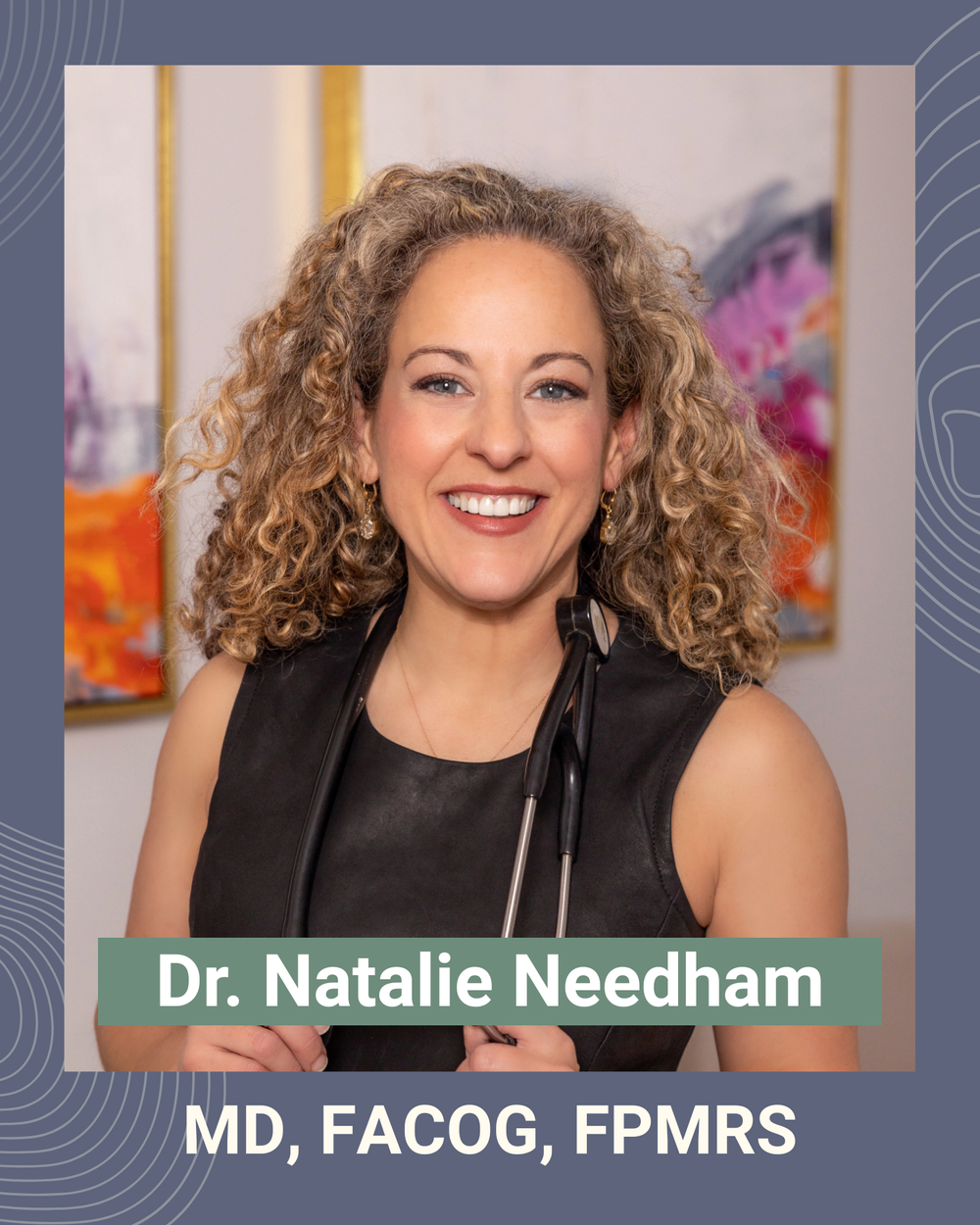
By Natalie Needham, MD
You can remember everyone else’s appointments and still lose the word you need halfway through a sentence.

You can get through a demanding workday, make dinner, and answer one more question—then lie awake at 3 a.m., exhausted and wondering why you cannot sleep.
It is easy to explain these things away. Life is busy. There is a lot on your mind. Perhaps this is simply what getting older feels like.
Menopause deserves a place in that conversation.
October is Menopause Awareness Month, and hot flashes tend to get most of the attention. Some of the menopause symptoms that interfere with daily life are much quieter. They show up in your sleep, your patience, your ability to concentrate, or your comfort during intimacy.
At Refined Women’s Wellness in Marietta, we want women to feel comfortable bringing those changes into the exam room—even when they are difficult to describe.
“I just don’t feel like myself” is a perfectly reasonable place to start.
You do not have to wait until your periods stop
One of the confusing things about menopause symptoms is that they can begin while you are still having menstrual periods.
The years leading up to menopause are called perimenopause. During this menopausal transition, hormone levels fluctuate, and your menstrual cycle may become less predictable. Irregular periods, a change in flow, or skipped menstrual periods may appear alongside hot flashes, mood swings, or sleep problems.
Natural menopause is confirmed after 12 consecutive months without a period, when another condition or medication does not explain the change. The average age in the United States is approximately 51.
Your symptoms do not need to wait for that anniversary.
Perimenopause and menopause vary considerably. Some women have frequent hot flashes. Others notice physical and emotional symptoms that seem to have little to do with their menstrual cycle.
The detail that matters is what has changed for you.
1. Sleep that no longer leaves you rested
Waking up tired can become so familiar that you stop mentioning it.
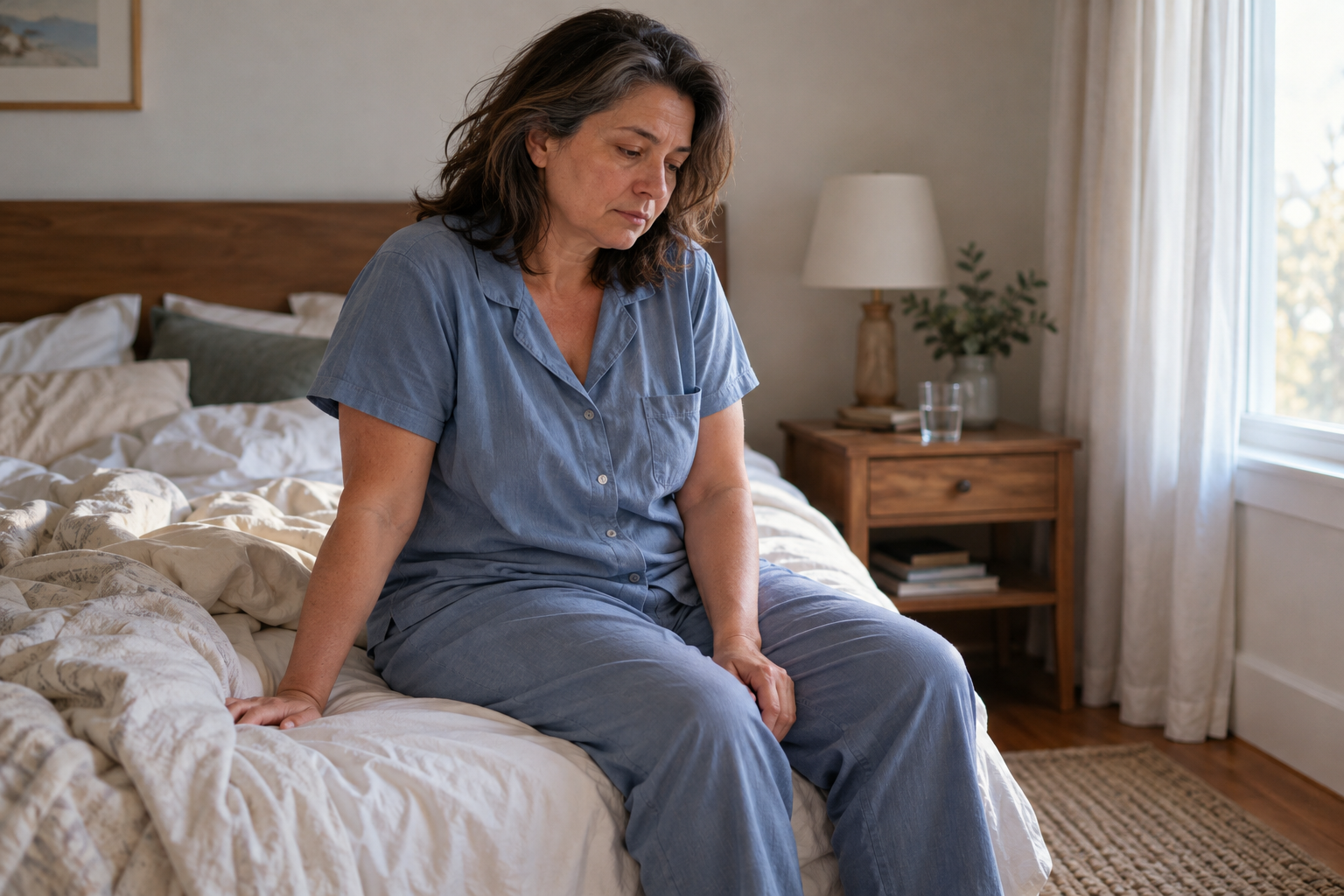
You turn the thermostat down. You switch pillows. You decide to go to bed earlier, only to spend more time awake in bed.
Night sweats are hot flashes that happen during sleep, although they do not always leave you drenched. You may wake feeling warm, throw off the covers, and struggle to settle again.
Hot flashes are only one possible contributor. Hormonal changes, stress, sleep apnea, medications, and other conditions can also affect your rest. The next day, everything takes a little more effort.
Being able to push through the day does not mean your sleep is good enough.
At your appointment, describe what actually happens. Do you struggle to fall asleep, wake repeatedly, or feel exhausted despite spending enough time in bed? Mention snoring or waking up gasping, too.
A short sleep record can help connect the dots. If hot flashes are interrupting your rest, hormone therapy or nonhormonal medication may be appropriate. Persistent insomnia may also respond to cognitive behavioral therapy for insomnia.
The goal is to understand what is disrupting your sleep and choose care that addresses it.
2. Brain fog that shakes your confidence
A word disappears just as you are about to say it. You reread something you would normally understand immediately. Keeping track of a familiar task suddenly requires more notes.
When you are used to being capable and organized, these moments can be surprisingly upsetting.
Brain fog during perimenopause and menopause may involve distractibility, trouble concentrating, or difficulty retrieving words. Poor sleep and mood changes can make it more noticeable.
These experiences deserve attention without assuming the worst.
Tell your healthcare professional what you have noticed and when it started. Specific examples are useful, especially if concentration problems follow restless nights or occur alongside other menopause symptoms.
Your clinician may consider medications, thyroid problems, mood disorders, and other possible contributors. Hormone therapy is not recommended specifically to improve cognition or prevent dementia.
Persistent or worsening memory changes need evaluation. You do not need to decide for yourself whether something is “serious enough” before mentioning it.
3. Mood changes that feel out of character
Perhaps your patience disappears more quickly than it used to. Perhaps worry follows you into situations that once felt manageable.

You may recognize that your reaction feels different without understanding why.
Mood changes and mood swings can occur during the menopause transition. Hormone fluctuations, interrupted sleep, and the demands of midlife may overlap. Many women are also caring for children, supporting aging parents, or managing responsibilities that leave very little room to notice their own needs.
A useful conversation makes room for all of that.
Emotional symptoms deserve the same attention as physical symptoms. Being able to meet your responsibilities does not tell us how much effort it takes or how you feel while doing it.
Try describing the change plainly: “I have felt unusually anxious for several weeks,” or “I am more irritable, and it is affecting my relationships.”
Depression and anxiety should not automatically be attributed to menopause. Treatment may include counseling, medication, help with sleep, or care for accompanying menopausal symptoms. Some women benefit from menopausal hormone therapy when mood changes occur with other symptoms; diagnosed depression may require additional treatment.
Your mental health belongs in your menopause care.
4. Vaginal dryness or intimacy that has become uncomfortable
This can be the concern that never quite makes it into the appointment.
You intend to mention it, then the conversation moves on. You wonder whether discomfort is expected at your age or whether you should try another lubricant first.
Vaginal dryness can cause irritation, burning, discomfort with clothing, or pain during sex. Lower estrogen levels can make vaginal tissue thinner, drier, and less elastic. These changes are part of genitourinary syndrome of menopause, or GSM.
When dryness makes sex painful, sexual desire may change as well. Avoiding something that hurts is understandable.
You can bring this up directly: “Sex has become uncomfortable,” or “I am having dryness and irritation.” You do not need medical terminology.
Treatment may include vaginal moisturizers, lubricants, low-dose vaginal estrogen, or other prescription therapies. Unlike hot flashes, GSM symptoms often persist or worsen without treatment, so waiting for them to pass may leave you uncomfortable unnecessarily.
Our article on understanding postmenopausal vaginal changes introduces this topic. Our MonaLisa Touch, Empower RF, and BHRT comparison can help you prepare questions about treatments discussed on our site.
Your comfort matters, and you deserve enough information to make a thoughtful decision.
5. Bladder changes you have quietly learned to work around
You know where every restroom is. You use the bathroom before leaving, even for a short trip. You have stopped doing an exercise you enjoy because you worry about leaking.
These adjustments can become routine before you realize how much they are shaping your day.
Urinary symptoms may occur alongside menopause-related tissue changes, although pelvic floor function and other health conditions also affect bladder control.
Leakage when you cough, sneeze, or lift is called stress incontinence. A sudden urge to go, difficulty reaching the bathroom, and repeated urinary tract infections raise different questions.
That distinction matters because urinary incontinence does not have one universal treatment.
Describe when symptoms happen and what you have started avoiding because of them. Depending on the cause, care may include pelvic floor physical therapy, bladder training, medication, or local vaginal estrogen.
Vaginal estrogen can help reduce recurrent urinary tract infections in some postmenopausal women. New burning, urgency, or pain still needs assessment rather than an assumption that menopause is responsible.
Whether you want to enjoy an exercise class in East Cobb or a walk around Marietta Square, it is worth asking what might make the outing more comfortable.
Where hormone therapy fits
Recognizing symptoms of menopause is the beginning of a conversation about treatment. The next step is deciding what fits your needs.
Systemic menopausal hormone therapy is the most effective treatment for bothersome hot flashes and night sweats. It can also help prevent bone loss while it is used. When vaginal dryness is the main concern, local treatment may be a better fit.
Hormone replacement therapy is another name for hormone therapy. For women who have a uterus, systemic estrogen generally needs to be paired with a progestogen to protect the uterine lining.
Our hormone therapy page explains more about care at Refined Women’s Wellness.
Hormone therapy is one option among several. Nonhormonal medications can also help with hot flashes, and other treatments may better address your particular menopausal symptoms.
A useful treatment discussion should leave you understanding the recommendation, its potential benefits and risks, and the alternatives available to you.
What you can do before your appointment
You do not need a detailed spreadsheet. A few notes on your phone are enough.

Record when menopause symptoms occur, what has changed with your periods, and which concerns affect your day most. Include medications and supplements so your clinician can consider the full picture.
Lifestyle changes can support your health during perimenopause and menopause. Regular movement, resistance exercise, consistent sleep habits, and balanced meals are useful foundations.
Cooling the bedroom or dressing in layers may make hot flashes more comfortable. If alcohol, caffeine, or spicy foods seem connected to your symptoms, note the pattern.
Those adjustments are not guaranteed treatments for hot flashes. Evidence for many supplements and approaches promoted as complementary and integrative health is limited or inconsistent.
You do not have to exhaust every home remedy before asking about medical treatments.
A few questions worth asking
Can menopause contribute to weight gain?
Changes in body composition and fat distribution can occur around menopause. Aging, muscle loss, sleep, nutrition, and activity also influence weight gain.
Hormone therapy is not a weight-loss treatment. Addressing disruptive menopause symptoms may, however, make it easier to sleep, move, and maintain routines that support your health.
What if my periods stop before age 45?
Menopause between ages 40 and 44 is called early menopause. Menopause before age 40 is called premature menopause.
Primary ovarian insufficiency also occurs before 40, but differs from established menopause because ovarian activity can be intermittent. Possible causes include genetic conditions, autoimmune disease, and cancer therapies such as chemotherapy and radiation therapy. Sometimes the cause is unknown.
Early menopause and premature menopause deserve prompt evaluation. Earlier estrogen loss can carry an increased risk of osteoporosis and heart disease, making a conversation about ongoing care particularly important.
Do I need blood tests?
For otherwise healthy women over 45 with typical symptoms of menopause, diagnosis usually relies on symptoms and menstrual history rather than routine hormone testing. Hormone levels fluctuate during perimenopause.
Testing may be appropriate when symptoms begin younger or another condition is suspected. Hormonal birth control can also affect bleeding patterns and the interpretation of some tests.
What should I have checked promptly?
Heavy or prolonged bleeding, bleeding between periods, and any vaginal bleeding after you have reached menopause need evaluation. Persistent pelvic pain, recurrent infections, or significant changes in mood or memory also deserve attention.
You do not need to have hot flashes for a concern to be worth discussing.
Let’s talk about what has changed for you
Menopause affects women differently. Your appointment should leave room for your experience.
At Refined Women’s Wellness, Dr. Natalie Needham and the team provide women’s health and wellness services in Marietta, welcoming women from East Cobb, Kennesaw, and surrounding communities.
Our office is in the Kennestone Hospital Outpatient Pavilion, next to OB-GYN Associates of Marietta.
If menopause symptoms are changing how you feel or what you feel comfortable doing, request a consultation or call 404-922-3050.
Bring your questions, even the ones you have nearly talked yourself out of asking.