
Beyond Self-Care: What Women’s Wellness Really Means After 35
August is National Wellness Month, which means this is the time of year we're supposed to remind you to practice self-care.
Take the walk. Drink the water. Schedule the massage. Buy the good face cream. Go to dinner with your friends. Take the trip.

We're in favor of all of it.
If you're somewhere in your late 30s, 40s, 50s or beyond, you may have discovered something slightly annoying: you can do all the “right” things and still not feel quite right.
You're exercising. You're trying to eat well. You're attempting to get enough sleep. You may even own a water bottle large enough to hydrate a small village.
And yet you're tired. Your clothes fit differently. Your sleep has become unpredictable. Your period, which spent decades arriving with reasonable consistency, has apparently stopped accepting calendar invitations. Maybe you're more irritable, more anxious, less interested in sex or simply wondering why the body you've lived in your entire life suddenly seems to be changing the rules.
Welcome to women's wellness after 35.
Self-care still matters. But at this stage of life, wellness may require looking a little deeper.
When “Taking Better Care of Yourself” Doesn't Feel Like Enough
One of the most common things we hear from women is some version of:
“I just don't feel like myself.”
That's worth paying attention to.
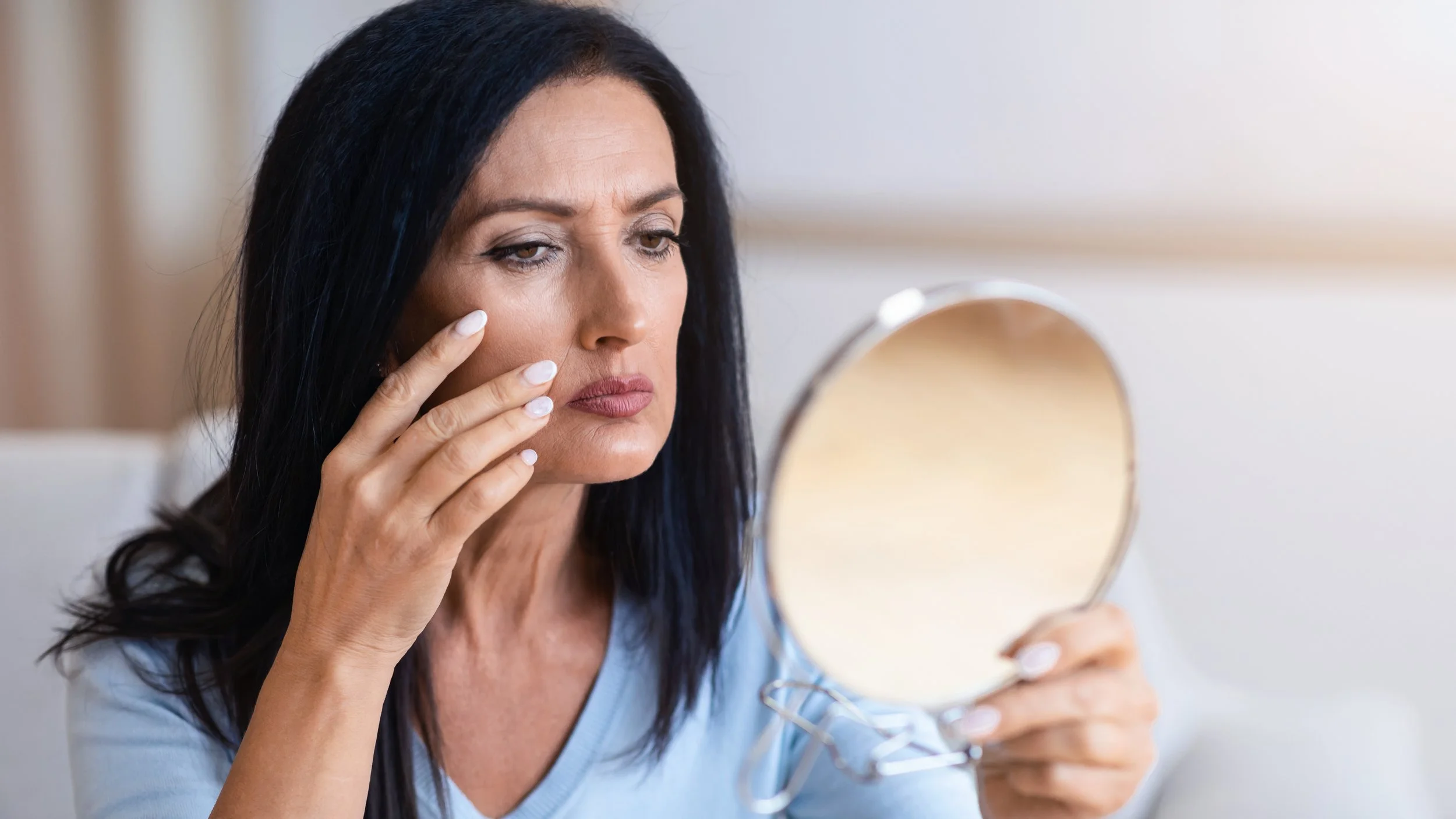
There isn't a switch that flips on your 35th birthday. You don't wake up the next morning with a different metabolism and an inexplicable desire to discuss hormone levels.
Hormonal changes can begin gradually, and for some women, the first signs are easy to dismiss.
Maybe your menstrual cycle changes. Maybe sleep becomes harder. Maybe weight starts settling in places it didn't before. You notice mood changes, brain fog, lower energy or changes in sexual health.
Individually, these things can seem small. Together, they may be telling us something.
And no, the answer isn't automatically, “It's your hormones.”
Women are complicated.
I mean that medically.
Sleep, nutrition, stress, thyroid function, medications, mental health, lifestyle factors and underlying health conditions can all affect how you feel. Hormones are part of the picture — sometimes a very important part — but good women's healthcare means looking at the whole picture before deciding what needs attention.
What Actually Happens to a Woman's Body After 35?
Thirty-five isn't a medical finish line. There isn't a single hormonal event that happens because you've reached a particular birthday.
What does happen is that women's bodies continue to evolve.
Hormone levels change throughout adulthood. Muscle mass can become harder to maintain. Metabolic health may change. Sleep, stress and the demands of everyday life can start affecting the body differently than they did a decade earlier.
For some women, the late 30s or early 40s are also when they first begin noticing changes associated with the years leading toward menopause.
That doesn't necessarily mean you're in perimenopause at 35. It means this is a good stage of life to start paying closer attention to patterns in your health instead of assuming every new symptom is simply part of getting older.
Estrogen, Progesterone and Testosterone All Matter
Estrogen gets most of the attention when we talk about menopause, but it isn't working alone.
Estrogen, progesterone and testosterone are female hormones that can influence far more than reproduction. They play roles in sexual health, mood, bone health, muscle mass, energy, brain function and other aspects of overall health.
During the menopausal transition, the body produces these hormones differently, and levels may fluctuate.
That's one reason symptoms don't always arrive in a nice, predictable order.
One month you feel fine. The next month you don't sleep. Then you're fine again.
The body, unfortunately, does not send a quarterly report explaining what it's doing.
Could It Be Perimenopause?
Perimenopause is the transition leading up to menopause. It most commonly begins in a woman's 40s, although some women experience changes earlier.
One of the first noticeable signs of perimenopause is often a change in the menstrual cycle.
Periods may become shorter, longer, heavier, lighter or irregular. You may skip a month. You may suddenly have a cycle that arrives earlier than expected.
Common Perimenopausal Symptoms
The menopause transition can look very different from one woman to another. Common perimenopausal symptoms and menopause symptoms may include:
Irregular periods
Hot flashes
Night sweats
Difficulty sleeping
Mood swings or mood changes
Fatigue
Brain fog or difficulty concentrating
Weight or body-composition changes
Vaginal dryness
Painful intercourse
Changes in libido
Some women experience several symptoms. Others experience relatively few.
You don't need to check every box before asking whether your hormones or another health issue may be contributing to the way you feel.
“But I Eat the Same Things. Why Am I Gaining Weight?”
This may be one of the great frustrations of the 40s.
A woman will tell me, “I haven't changed anything.”
And I believe her.
The problem is that sometimes the body has changed even when the routine hasn't.
Hormonal changes during the menopause transition may influence body composition and where fat tends to accumulate. At the same time, muscle mass can gradually decline with age if we don't actively work to preserve it.
Sleep matters. Stress matters. Activity matters. Nutrition matters. Hormones may matter.
That's why “eat less and exercise more” isn't a particularly satisfying women's health strategy.
Muscle Matters More Than You May Think
Maintaining muscle isn't simply about looking toned.

Muscle supports strength, mobility, metabolic health and healthy aging. That's why resistance training and weight-bearing exercises become increasingly valuable as women move through their 40s, 50s and beyond.
You don't have to become a bodybuilder.
You do, however, want to give your body a reason to keep the muscle it has.
A healthy diet with adequate protein, regular movement and strength-focused exercise can all help support muscle mass and a healthy weight.
Yes, that means strength training counts as self-care.
Sleep and Stress Count as Women's Health, Too
It's difficult to talk about hormone health without talking about sleep and stress.
Night sweats and hot flashes can disrupt sleep during perimenopause and menopause. Stress can also affect sleep, mood, appetite and energy.
Then poor sleep makes everything else feel harder.
It's a very efficient little cycle. Unfortunately, not in a good way.
Stress management doesn't have to mean meditating on a mountaintop for an hour every morning. It may mean walking, exercising, setting boundaries, spending time with people you enjoy, protecting your sleep routine or simply creating a little room in your life where nobody needs anything from you.
Your mental health and physical health aren't separate departments. They affect each other.
Bone Health Deserves More Attention After 35
Bone health probably isn't what most women picture when they hear “self-care.”
Estrogen helps support bone, and changes in estrogen levels around menopause can affect bone density over time.
This is one reason healthy aging involves more than watching your weight.
Weight-bearing exercises, resistance training, a balanced diet and appropriate health screenings all have a place in a broader women's wellness plan.
We want women thinking not only about how they feel this month, but about staying strong and healthy for decades.
What Does Hormone Replacement Therapy Actually Do?
For some women experiencing symptoms related to perimenopause or menopause, hormone replacement therapy (HRT) — also called menopausal hormone therapy — may be one treatment option.
Hormone therapy can replace hormones the body is producing in lower or changing amounts. Depending on a woman's needs, treatment may involve estrogen, progesterone and, in certain circumstances, testosterone.
Hormone replacement therapy may help relieve hot flashes, night sweats and certain vaginal symptoms in appropriately selected patients. Treatment decisions depend on the individual woman, her symptoms and her health history.
What Are Bioidentical Hormones?
You may also hear the terms bioidentical hormone therapy or bioidentical hormones.
Bioidentical describes hormones that have the same chemical structure as hormones naturally produced by the human body.
The word itself doesn't automatically mean a treatment is better, safer or appropriate for everyone.
What's more important is whether the hormone treatment, dose and delivery method are appropriate for the individual patient.
Is Hormone Therapy Right for Every Woman?
No.
And that's important.
Hormone therapy should be an individualized medical decision, not something prescribed because a woman reached a certain age.
A healthcare provider should consider your symptoms, medical history, health history, family history and relevant health risks before recommending hormone treatments.

Certain health conditions or histories — including some cancers, blood clots, cardiovascular disease, liver disease and other conditions — can affect treatment options. The type of hormone therapy also matters because systemic therapy and local treatments such as vaginal estrogen aren't used for exactly the same reasons.
This is where an actual conversation with your healthcare professional matters much more than something you saw on social media.
There is a lot of hormone information online, and some of it is excellent.
Some of it has apparently never met a medical journal.
Can HRT Help With Weight Loss?
Let's clear this one up because the internet has opinions.
Hormone replacement therapy is not a weight-loss treatment.
HRT isn't prescribed simply to make the scale go down.
However, when menopausal symptoms are interfering with sleep, energy, mood or quality of life, appropriately treating those symptoms may make it easier for some women to participate in habits that support overall health.
Hormonal changes can also influence body composition.
So the relationship between hormones and weight is real.
It's just more complicated than “take hormones, lose weight.”
Most things involving the human body are inconveniently more complicated than we'd like them to be.
Wellness After 35 Is About More Than Hormones
Hormone health matters.
Women's wellness after 35 isn't just hormone replacement therapy.
It may mean finally taking sleep seriously. Building and maintaining muscle. Supporting bone health. Eating a balanced diet. Managing stress. Keeping up with appropriate health screenings. Paying attention to sexual health. Maintaining a healthy weight without making that weight the sole measure of whether you're healthy.
And sometimes wellness means making an appointment because you've spent six months saying:
“It's probably nothing.”
Maybe it is nothing.
I'd still rather have the conversation.
Your Everyday Habits Still Matter
Hormone therapy doesn't replace the fundamentals of good health.
A healthy diet, regular physical activity, strength training, adequate sleep and stress management continue to matter before, during and after the menopause transition.
So do routine preventive care and health screenings.
None of this is particularly glamorous.
Unfortunately, vegetables, sleep and exercise continue to have very good publicists in the medical community because they actually matter.
Your Wellness Strategies Should Evolve as You Do
The health strategies a woman needs at 25 aren't necessarily the practices and routines she needs at 38, 47 or 62.
Your body changes.
Your priorities change.
Your health risks change.
Your definition of feeling good may change too.
That's why we believe women's healthcare should evolve through the different seasons of a woman's life rather than treating wellness like one universal checklist.
There may be a season when reproductive health is front and center. Another when early perimenopause starts raising questions. Another when menopause symptoms, metabolic health, sexual wellness, bone health or maintaining strength and independence become more important.
The goal isn't to stop aging.
That's a losing battle, and frankly, none of us needs another impossible assignment.
The goal is to understand what's happening in your body so you can make informed decisions about how you want to feel and live as you move through it.
When Should You Talk to Your Healthcare Provider?
You don't need to diagnose yourself before making an appointment.
If you're noticing persistent fatigue, significant changes in your menstrual cycle, hot flashes, night sweats, vaginal symptoms, painful intercourse, unexplained weight or body-composition changes, mood changes or other symptoms that are negatively affecting your quality of life, talk to your healthcare provider.
Some symptoms associated with hormonal imbalances can also occur with other health conditions, which is exactly why an individualized evaluation matters.
And if you're experiencing abnormal uterine bleeding, irregular bleeding that concerns you or another new or concerning symptom, don't simply assume it's perimenopause. Have it evaluated.
Questions Women Often Ask About Hormones and Wellness After 35
What is usually one of the first signs of perimenopause?
Changes in the menstrual cycle are often among the first noticeable signs. Periods may become less predictable, and some women begin experiencing changes in sleep, mood, temperature regulation or other symptoms during the menopause transition.
What age does perimenopause usually start?
Perimenopause most commonly begins in the 40s, although timing varies. Some women notice changes earlier. Early menopause and premature menopause are different clinical situations and should be discussed with a healthcare provider.
Do periods suddenly change after 35?
They can change, but turning 35 doesn't automatically cause irregular periods. Changes in hormone levels are only one possible reason a menstrual cycle may become different. If a previously predictable cycle changes significantly or you're experiencing abnormal uterine bleeding, talk to your healthcare provider.
What are common signs of hormonal imbalance in women?
Possible signs of hormonal imbalances can include menstrual changes, sleep disruption, mood changes, fatigue, hot flashes, night sweats, sexual-health changes and changes in body composition. These symptoms can have many causes, so they shouldn't automatically be attributed to hormones.
What are signs of lower estrogen levels?
Changes in estrogen levels can contribute to symptoms such as hot flashes, night sweats, vaginal dryness, painful intercourse and changes in the menstrual cycle. Because symptoms vary and can overlap with other health conditions, your healthcare provider can help determine what may be contributing.
Can stress cause hormonal symptoms?
Stress can influence sleep, mood, appetite, energy and the menstrual cycle and may make existing symptoms feel more difficult to manage. That doesn't mean every symptom is caused by stress — or that a woman simply needs to “relax.” Persistent changes deserve a more complete look.
Can HRT help with weight loss?
HRT is not a weight-loss medication. For an appropriate patient, hormone therapy may relieve certain menopausal symptoms and support overall well-being, but healthy weight management still involves nutrition, movement, muscle preservation, sleep, stress and other individual health factors.
How do I know whether I need hormone replacement therapy?
There isn't one symptom or hormone level that automatically means a woman needs HRT. The decision should consider your symptoms, stage of the menopause transition, medical history, family history, goals and individual health risks. Talk to a healthcare professional who can evaluate the complete picture with you.
Maybe It's Time to Redefine Self-Care
We're not taking away your massage.
Please keep the massage.

During National Wellness Month, we'd like women to think about self-care a little differently.
Self-care can also mean paying attention.
It can mean recognizing that you haven't felt like yourself lately and deciding that's worth exploring. It can mean asking questions about hormonal changes instead of assuming you're supposed to live with them. It can mean taking your bone health, muscle mass, sexual health, metabolic health and mental well-being just as seriously as you take everyone else's needs.
At Refined Women's Wellness in Marietta, we believe feeling well begins with understanding the woman in front of us — her symptoms, her health history, her goals and the season of life she's in.
Taking care of yourself isn't selfish.
It should probably involve more than a really nice candle.